Product Guide: A Comprehensive Overview (Updated 01/26/2026)
Product guides are essential materials detailing features, functions, and usage, serving as a central hub for information and boosting overall user experience and satisfaction.
What is a Product Guide?
A product guide is a comprehensive document, or collection of materials, designed to inform users about a product’s features, functionality, and proper usage. It’s more than just instructions; it’s a resource intended to maximize the value a customer receives. These guides can take many forms, including traditional printed manuals, digital documents, online help centers, and even video tutorials.
Essentially, a product guide serves as a central repository for all information related to a product throughout its lifecycle. It’s often referred to as a hub, help center, or knowledge base. The core purpose is to empower users to effectively utilize the product, troubleshoot issues, and understand its full potential. Different types of product guides cater to diverse needs, ranging from quick start guides to in-depth technical documentation.
The Importance of Product Documentation
Product documentation is critically important for several reasons, directly impacting customer satisfaction and reducing support costs. Well-crafted guides empower users to independently resolve issues, minimizing the need for direct assistance. This self-service capability translates to significant savings in support resources and faster resolution times.
Furthermore, comprehensive documentation enhances the overall user experience, fostering trust and loyalty. Clear and concise instructions build confidence in the product and the company behind it. Effective guides also mitigate potential safety risks by ensuring proper usage and preventing misuse. They are valuable working documents for product managers and decision-makers, providing insights into product usability and areas for improvement. Ultimately, robust documentation is a key differentiator in a competitive market.
Types of Product Guides to Create
Product guides manifest in diverse formats, each tailored to specific content and user needs. Instruction manuals offer detailed usage and care instructions, ideal for products requiring precise operation. User manuals provide comprehensive guidance on installation, configuration, and operation, serving as a complete reference.
How-to guides address specific problems, offering step-by-step solutions. Training manuals are designed for both internal teams and external users, facilitating effective product adoption. Case studies demonstrate real-world applications, showcasing product value and inspiring potential customers. Product demonstration videos offer a visual learning experience, simplifying complex concepts. Finally, ingredient profiles (where applicable) detail product composition, catering to informed consumers.
Instruction Manuals
Instruction manuals represent a fundamental type of product guide, delivering basic, essential directions for utilizing a product as intended. These guides prioritize clarity and simplicity, focusing on core functionalities and immediate usability. They are particularly valuable for products where correct operation is crucial for safety or performance, ensuring users can quickly grasp the necessary steps.

Typically, instruction manuals avoid in-depth technical details, instead concentrating on a straightforward, task-oriented approach. They often include visual aids like diagrams and illustrations to enhance understanding. While not as exhaustive as user manuals, they serve as an excellent starting point for new users, providing a quick and accessible introduction to the product’s primary features and operation.
User Manuals: Comprehensive Guides
User manuals stand as the most detailed and extensive form of product guide available. They offer a complete walkthrough, covering every aspect of a product – from initial installation and configuration to advanced operation and troubleshooting. These manuals aim to empower users with a thorough understanding, enabling them to maximize the product’s potential.
Unlike instruction manuals, user manuals delve into intricate details, explaining not just how to use a feature, but why it functions as it does. They often include sections on safety precautions, maintenance procedures, and frequently asked questions. A well-crafted user manual anticipates user needs and addresses potential challenges, fostering confidence and reducing support requests. They are crucial for complex products requiring a deeper level of understanding.

How-to Guides: Solving Specific Problems
How-to guides represent a focused approach to product documentation, concentrating on resolving particular user challenges or accomplishing specific tasks. These guides aren’t intended as exhaustive references like user manuals; instead, they provide step-by-step instructions for addressing defined issues. They excel at offering targeted assistance when users encounter roadblocks.
Effectively, they answer the question, “How do I…?” – whether it’s setting up a specific feature, integrating the product with another system, or troubleshooting a common error. They often employ visuals, like screenshots or short videos, to clarify each step. By concentrating on practical solutions, how-to guides improve user self-sufficiency and reduce the burden on customer support teams, ultimately boosting user satisfaction and product adoption.
Training Manuals: For Internal & External Use
Training manuals, a vital component of comprehensive product guides, serve distinct purposes depending on the intended audience. For internal teams – sales, support, and onboarding – these manuals ensure consistent messaging and a deep understanding of product features and functionalities. They equip staff to effectively demonstrate, sell, and support the product.
Externally, training manuals can empower customers to maximize product value, particularly for complex offerings. These guides often include exercises, quizzes, and real-world scenarios to reinforce learning. They can be delivered in various formats, including printed materials, online modules, or instructor-led sessions. A well-crafted training manual translates into increased product proficiency, reduced support requests, and ultimately, greater customer success and loyalty.
Case Studies: Real-World Applications
Case studies represent a powerful element within a robust product guide strategy, showcasing the tangible benefits and successful implementations of a product in diverse scenarios. They move beyond theoretical explanations, demonstrating how the product solves specific challenges for real customers. A compelling case study details the customer’s initial problem, the implemented solution using the product, and the quantifiable results achieved – increased efficiency, cost savings, or revenue growth.

These narratives build credibility and trust, allowing potential customers to envision their own success. Effective case studies often include customer testimonials and data-driven evidence. They are invaluable for sales teams, providing persuasive content for presentations and proposals, and for marketing, demonstrating the product’s value proposition in a relatable and impactful manner.
Product Demonstration Videos
Product demonstration videos are a dynamic and engaging component of a comprehensive product guide, offering a visual and easily digestible way to understand product functionality. These videos go beyond static images or text, allowing viewers to see the product in action, observe its features, and grasp its benefits intuitively. Effective demos focus on solving user problems and highlighting key workflows.
Short, focused videos addressing specific use cases are particularly effective. They should be professionally produced with clear audio and visuals, and ideally include on-screen annotations or voiceovers. Integrating these videos into the product guide, website, and social media channels expands reach and caters to diverse learning preferences. They significantly enhance user onboarding and reduce support requests by proactively addressing common questions.
Ingredient Profiles (Where Applicable)
For products containing multiple components or ingredients – particularly prevalent in industries like food, cosmetics, and pharmaceuticals – detailed ingredient profiles are a crucial addition to a robust product guide. These profiles extend beyond simple lists, providing comprehensive information about each ingredient’s origin, purpose, and potential benefits. Transparency builds trust with consumers and addresses growing demands for product clarity.
Profiles should include details on sourcing, manufacturing processes, and any relevant certifications (organic, fair trade, etc.). Highlighting potential allergens or sensitivities is paramount for user safety. Well-crafted ingredient profiles empower informed decision-making, showcasing product quality and addressing consumer concerns. This section demonstrates a commitment to openness and responsible product development, enhancing brand reputation and fostering customer loyalty.
Key Elements of Effective Product Guides
Creating truly effective product guides necessitates a focus on several key elements. First, a deep understanding of your audience – their technical expertise and needs – is vital. Clearly defining the purpose of the guide, whether for initial setup or troubleshooting, shapes its content. A logical structure and organization are paramount, guiding users seamlessly through information.
Employing clear and concise language avoids confusion, while incorporating examples and visuals – screenshots, diagrams, videos – enhances comprehension. Guides should be easily scannable, with headings, bullet points, and whitespace. Prioritize usability; a well-designed guide anticipates user questions and provides readily accessible answers. Ultimately, an effective guide empowers users to maximize product value and minimizes support requests.
Understanding Your Audience
Truly effective product guides begin with a thorough understanding of the intended user. Consider their existing technical knowledge – are they novices or experienced professionals? What are their primary goals when using the product? Tailor the guide’s complexity and language accordingly. A guide aimed at beginners should avoid jargon and provide step-by-step instructions, while a guide for experts can assume a higher level of understanding.
Researching user demographics and common pain points is crucial. Anticipate their questions and address them proactively. Knowing your audience allows you to choose the most appropriate format – a quick-start guide, a comprehensive manual, or video tutorials. Ultimately, a user-centric approach ensures the guide resonates and provides genuine value.
Defining the Purpose of the Guide
Before creating a product guide, clearly define its specific purpose. Is it to onboard new users, troubleshoot common issues, or explain advanced features? A focused purpose ensures the content remains relevant and concise. A guide attempting to cover everything will likely overwhelm users and diminish its effectiveness.
Consider what you want users to achieve after consulting the guide. Are you aiming for increased product adoption, reduced support requests, or improved customer satisfaction? This objective will shape the guide’s structure and content. A well-defined purpose provides a roadmap for development and allows you to measure the guide’s success based on tangible outcomes. Prioritize clarity and user goals.
Logical Structure and Organization
A product guide’s effectiveness hinges on a logical structure. Begin with fundamental concepts and progressively introduce more complex information. Employ a clear hierarchy using headings, subheadings, and numbered lists to break down content into digestible sections. Consider a task-based approach, organizing the guide around what users want to do with the product, rather than simply listing features.
Intuitive navigation is crucial. A table of contents, search functionality (for digital guides), and internal cross-linking enhance usability. Group related topics together and avoid abrupt transitions. A well-organized guide minimizes user frustration and allows them to quickly find the information they need. Prioritize a flow that mirrors the user’s learning curve and typical workflow.
Clear and Concise Language

Product guides should prioritize clarity and conciseness. Avoid jargon, technical terms, and overly complex sentence structures. Use simple, direct language that your target audience readily understands. Define any necessary technical terms upfront in a glossary. Active voice is preferable to passive voice, making instructions more direct and easier to follow.
Brevity is key; eliminate unnecessary words and phrases. Focus on conveying information efficiently. Each sentence should have a clear purpose. Proofread meticulously for grammatical errors and typos, as these can undermine credibility and cause confusion. Remember, the goal is to empower users, not to impress them with sophisticated vocabulary. A well-written guide fosters confidence and reduces support requests.
Incorporating Examples and Visuals
Product guides significantly benefit from the strategic inclusion of examples and visuals. Screenshots, diagrams, illustrations, and videos can clarify complex instructions far more effectively than text alone. Real-world examples demonstrate how to apply the product in practical scenarios, enhancing user understanding and engagement.
Visuals should be high-quality, relevant, and clearly labeled. Use callouts and annotations to highlight key features. Step-by-step diagrams are particularly useful for illustrating processes. Videos can showcase product functionality and provide a dynamic learning experience. Ensure all visuals are accessible to users with disabilities, providing alt text for images. Combining clear explanations with compelling visuals creates a more intuitive and user-friendly guide, ultimately improving product adoption.
Product Information Throughout the Lifecycle
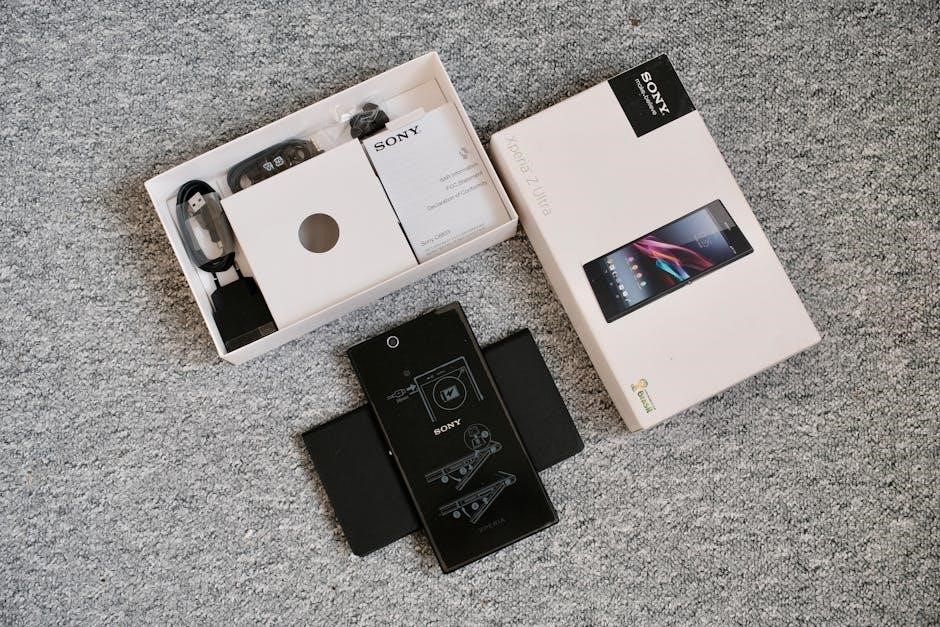
Product information isn’t static; it’s a continuously evolving asset generated throughout the entire product lifecycle. This encompasses data from sourcing and initial design documentation, detailing materials and specifications. Crucially, manufacturing and quality control records contribute to a comprehensive understanding of the product’s creation and reliability.
Even marketing and sales materials, often considered promotional, function as valuable guides, outlining key features and benefits. Effective product guides leverage this information, creating a holistic resource. NordicMarketing emphasizes the value of these working documents for product managers. Maintaining a centralized repository of this lifecycle data ensures consistency and accuracy across all documentation, supporting users at every stage – from initial research to ongoing use and maintenance.
Sourcing and Design Documentation
Sourcing documentation forms the bedrock of comprehensive product guides, detailing the origin and characteristics of all components. This includes supplier information, material specifications, and quality certifications, ensuring transparency and traceability. Equally vital is detailed design documentation, outlining the product’s architecture, functionality, and intended use cases.

These documents aren’t merely for internal use; they inform the creation of accurate and reliable user-facing guides. Understanding the ‘why’ behind design choices allows for clearer explanations of features and benefits. Properly maintained sourcing and design records enable effective troubleshooting and future product iterations. They provide context for understanding limitations and potential issues, ultimately enhancing the overall quality and usefulness of the product guide.
Manufacturing and Quality Control Records
Manufacturing records are crucial components of robust product guides, detailing the production process, assembly instructions, and testing procedures. These records provide valuable insights into potential points of failure and common issues encountered during production; Complementing these are quality control records, which document inspection results, defect rates, and corrective actions taken.
Integrating this information into product guides allows for proactive troubleshooting and preventative maintenance advice. Users can better understand potential wear-and-tear areas and how to address them. Detailed manufacturing and quality control data builds trust by demonstrating a commitment to product reliability. This transparency empowers users to maximize product lifespan and performance, ultimately enhancing satisfaction and reducing support requests.
Marketing and Sales Materials as Guides
Often overlooked, marketing and sales materials can serve as valuable supplementary product guides. Brochures, datasheets, and even website copy frequently highlight key features and benefits, offering a concise overview of product capabilities. These materials, while designed for persuasion, often contain practical information useful to new users.
Integrating links to these resources within a comprehensive product guide creates a seamless user journey. Sales presentations can demonstrate real-world applications, while marketing case studies illustrate successful implementations. Repurposing this content avoids redundancy and ensures consistent messaging. By strategically leveraging existing marketing assets, product documentation becomes more accessible and engaging, ultimately improving user onboarding and product adoption rates.
Forms of Product Manuals
Product manuals manifest in diverse formats, adapting to product complexity and user preferences. Traditionally, printed manuals provided a tangible resource, ideal for products without consistent digital access. However, digital manuals – PDFs, online help centers, and interactive guides – are increasingly prevalent, offering searchability and easy updates.

Online knowledge bases allow for dynamic content and user feedback integration. Video tutorials demonstrate complex procedures visually, enhancing comprehension. Interactive guides offer step-by-step assistance, guiding users through specific tasks. The choice depends on the target audience and product nature. Modern approaches often combine formats, providing a multi-faceted support system. NordicMarketing emphasizes valuable working documents for product managers, highlighting the importance of adaptable manual forms.
System Documentation vs. User Documentation
System documentation and user documentation represent distinct facets of product information. System documentation, geared towards developers and engineers, details the product’s internal workings – code, architecture, and technical specifications. It’s crucial for maintenance, updates, and future development, focusing on how the product functions.
Conversely, user documentation caters to end-users, explaining what the product does and how to use it effectively. This includes instruction manuals, user guides, and how-to articles. While system documentation is highly technical, user documentation prioritizes clarity and accessibility. Both are vital; system documentation enables product improvement, while user documentation ensures customer satisfaction and successful product adoption. They are complementary, not competing, forms of product guides;
Technical Documentation: For Developers & Engineers
Technical documentation serves as a critical resource for developers and engineers, detailing the intricate inner workings of a product. This encompasses API references, code documentation, architectural designs, and database schemas. It’s fundamentally different from user-facing guides, prioritizing precision and completeness over simplicity.
Effective technical documentation facilitates collaboration, simplifies maintenance, and accelerates development cycles. It allows engineers to understand existing code, contribute new features, and troubleshoot issues efficiently. This documentation often includes detailed explanations of algorithms, data structures, and system interactions. It’s a cornerstone of robust software engineering practices, ensuring long-term product viability and scalability, and is a key component of comprehensive product guides.