Aroma Rice Cooker Brown Rice Instructions: A Comprehensive Guide
Navigating brown rice perfection with your Aroma cooker is achievable! This guide simplifies the process, ensuring consistently moist, flavorful results and avoiding common pitfalls like burnt or mushy grains.
Understanding Your Aroma Rice Cooker
Aroma rice cookers are designed for convenience, taking the guesswork out of rice preparation. However, different models possess varying features and capacities. Familiarizing yourself with your specific model is crucial for optimal brown rice cooking. Consult the user manual to identify the designated “Brown Rice” setting – not all Aroma cookers have one, and using the wrong cycle can significantly impact the outcome.
Pay attention to the cooker’s internal components: the cooking pot, steam vent, and measuring cup. The quality of the pot (often non-stick) influences even heating. The steam vent regulates moisture, vital for proper texture. Aroma’s measuring cup isn’t standardized; it’s typically smaller than a US standard cup, so adjustments may be needed. Understanding these elements empowers you to troubleshoot and achieve consistently excellent brown rice.
Many modern Aroma cookers include features like delay timers and keep-warm functions, enhancing usability. Knowing how to utilize these features can further streamline your cooking process.
Brown Rice Basics: Why It’s Different
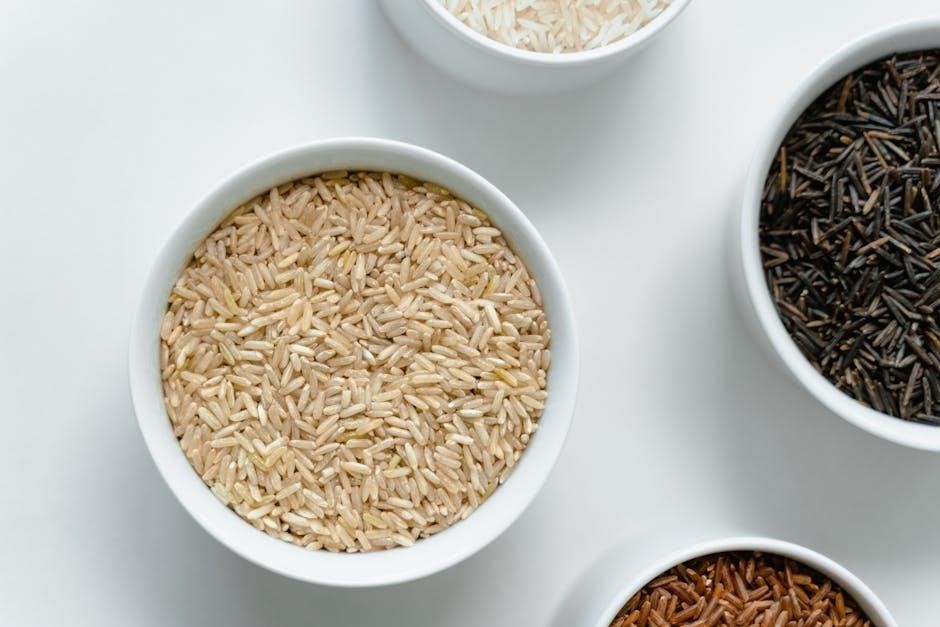
Brown rice differs significantly from white rice due to the presence of the bran and germ layers. These layers contribute to its nutritional value – higher fiber, vitamins, and minerals – but also impact its cooking requirements. Unlike white rice, which cooks relatively quickly, brown rice requires a longer cooking time and more water to fully soften.
The bran layer is naturally tougher, necessitating extended hydration; This is why soaking brown rice before cooking is often recommended, though not always essential with a rice cooker. Ignoring these differences often results in undercooked, chewy rice. Achieving fluffy, tender brown rice demands patience and a proper understanding of its unique characteristics.
Furthermore, brown rice has a slightly nutty flavor that complements various dishes. Mastering its preparation unlocks a healthier and more flavorful alternative to white rice.
Water Ratio for Brown Rice in Aroma Cookers
Determining the correct water ratio is crucial for perfectly cooked brown rice in your Aroma cooker. A general guideline is a 2:1 water-to-rice ratio – for every 1 cup of brown rice, use 2 cups of water. However, this can vary slightly depending on your specific Aroma model and the type of brown rice used.
Older rice cookers, or those with less precise temperature control, may benefit from a slightly higher ratio, around 2.25:1. Newer models often perform well with the standard 2:1. Experimentation is key! Start with 2:1, and adjust in small increments (1/4 cup) in subsequent batches if needed.
Consistent measurement is vital; Using a dedicated rice measuring cup ensures accuracy. Remember, even minor adjustments can significantly impact the final texture of your brown rice.
Rinsing Brown Rice: To Rinse or Not to Rinse?
The debate over rinsing brown rice is common. Unlike white rice, where rinsing removes excess starch for fluffier results, rinsing brown rice is less critical and often discouraged. Brown rice retains its bran layer, which contains nutrients and contributes to its slightly chewy texture.
Rinsing can wash away some of these valuable nutrients. However, a quick rinse can help remove any dust or debris from processing. If you choose to rinse, do so gently and briefly, using a fine-mesh sieve. Avoid vigorous rubbing, which can damage the grains.
Many Aroma rice cooker users successfully cook brown rice without rinsing. If you prefer a slightly less sticky texture, a quick rinse is acceptable, but it’s not a necessary step for achieving delicious, well-cooked brown rice.
Measuring Brown Rice Accurately
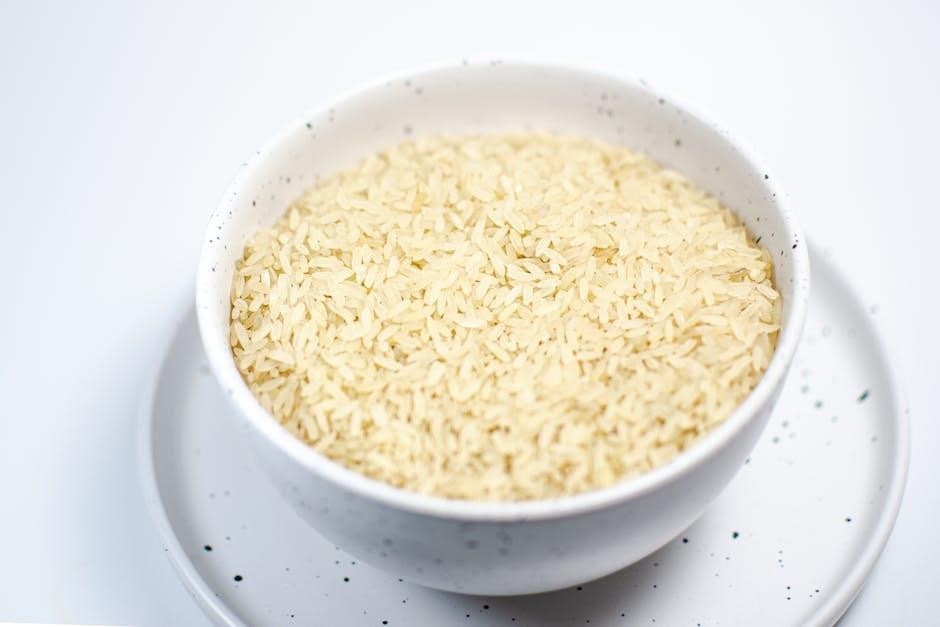
Precise measurement is key to perfect brown rice. Aroma rice cookers are designed to work with specific rice-to-water ratios, so accurate measuring is crucial for optimal results. Always use the measuring cup that came with your Aroma cooker; standard kitchen cups can vary in volume.
Level off the rice in the measuring cup – do not heap it. Gently shake the cup to settle the grains for a more accurate measurement. For most Aroma models, 1 cup of brown rice typically requires 1.5 to 2 cups of water, but this can vary (see section on adjusting water ratios).
Consistency is vital. Using the same measuring technique each time will help you refine your cooking process and achieve consistently perfect brown rice. Small variations in measurement can impact the final texture.
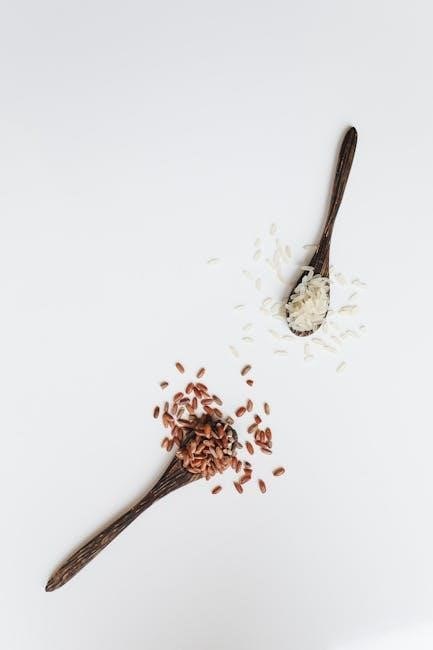
Step-by-Step Cooking Instructions
Follow these simple steps for fluffy brown rice! From preparation to steaming, this section details the process for utilizing your Aroma rice cooker effectively and efficiently.
Preparing the Rice and Water
The foundation of perfect brown rice lies in proper preparation. Begin by gathering your ingredients: brown rice and water – the core components. The quality of your water matters; filtered water is recommended for the purest flavor. Precise measurement is crucial, and we’ll delve into specific ratios shortly, tailored for Aroma cookers.
Before combining, consider the rinsing debate (addressed later!). Regardless, ensure your measuring cup is accurate; inconsistencies here directly impact the final texture. For optimal results, use a dedicated rice measuring cup, as standard kitchen cups can vary.
Water temperature isn’t typically a significant factor, but room temperature water is generally preferred. Avoid using hot water directly from the tap, as it can sometimes affect the cooking process. Having both rice and water pre-measured and ready to go streamlines the cooking process, minimizing potential errors and ensuring a consistent outcome every time. This initial stage sets the stage for a delicious and perfectly cooked batch of brown rice.
Adding Rice and Water to the Cooker
With your rice and water meticulously measured, it’s time to introduce them to your Aroma rice cooker. Gently pour the measured brown rice into the inner cooking pot. Avoid overfilling; leave adequate space for expansion during cooking – typically, don’t exceed the maximum fill line indicated inside the pot.
Next, carefully add the pre-measured water. Ensure the water level is accurate according to the recommended ratio for your specific Aroma model (detailed in a later section). A slight margin of error is acceptable, but precision yields the best results.
Before closing the lid, give the pot a gentle swirl to evenly distribute the rice. This helps prevent sticking and promotes uniform cooking. Wipe any stray grains from the rim of the pot and the heating plate to ensure a proper seal. Secure the lid firmly, ensuring it clicks into place. Now your Aroma cooker is primed and ready to transform these simple ingredients into fluffy, wholesome brown rice.
Selecting the Correct Cooking Cycle
Choosing the right cycle is crucial for perfectly cooked brown rice in your Aroma cooker. Most Aroma models feature a dedicated “Brown Rice” setting, specifically calibrated for the longer cooking time and higher water absorption required by this grain. Locate this setting on your cooker’s control panel – it’s often clearly labeled.
If your model doesn’t have a dedicated brown rice cycle, the “White Rice” or “Steam” setting may work, but will likely require experimentation with water ratios and monitoring the cooking process. Always prioritize the brown rice setting when available.
Once selected, the cooker will automatically adjust the cooking time and temperature. Some models offer options for adjusting the “softness” or “texture” of the rice; these are generally not necessary for standard brown rice. Simply press the start button, and let the Aroma cooker work its magic, transforming raw grains into a nutritious and delicious side dish.
The Cooking Process: What to Expect
During the brown rice cooking cycle, your Aroma cooker will transition through several phases. Initially, you’ll observe the heating element activating, bringing the water to a boil. This phase typically lasts around 10-15 minutes, depending on your model and the amount of rice.
Once boiling, the cooker will switch to a simmer, allowing the rice to absorb the water and steam. You may notice steam escaping from the vent – this is normal. The cooker will automatically regulate the temperature to prevent burning.
After the water is absorbed, the cooker will enter a “keep warm” mode. Do not open the lid during the cooking process, as this releases steam and disrupts the cooking temperature. The entire cycle usually takes between 45-60 minutes for brown rice. A change in sound or a light indicator signals completion.
Steaming Time After Cooking
Allowing sufficient steaming time is crucial for perfectly cooked brown rice. Once the Aroma cooker switches to the “keep warm” setting, resist the urge to immediately open the lid! This resting period allows the remaining moisture to distribute evenly throughout the grains, resulting in a fluffier, more consistent texture.
A minimum of 10-15 minutes of steaming is recommended, but longer isn’t harmful. In fact, extending the steaming time to 20-30 minutes can further enhance the texture, especially for firmer varieties of brown rice.
During this phase, the residual heat continues to gently cook the rice. Avoid repeatedly lifting the lid, as each opening releases heat and steam, potentially affecting the final result. Fluffing the rice with a fork after steaming completes the process, separating the grains for optimal enjoyment.
Optimizing Your Brown Rice Results
Achieve consistently perfect brown rice! Adjust water ratios based on your Aroma model and rice type, addressing under/overcooking for ideal texture and flavor every time.
Adjusting Water for Different Aroma Models
Aroma rice cookers, while generally consistent, can exhibit slight variations in heating and cooking performance across different models. This necessitates a degree of water ratio adjustment to achieve optimal brown rice results. Older or simpler models often require a higher water-to-rice ratio – typically 2.5:1 or even 3:1 – due to less precise temperature control. Newer digital models, featuring fuzzy logic technology, are generally more efficient and may perform best with a ratio closer to 2:1.
Experimentation is key. Start with the manufacturer’s recommended ratio for brown rice (usually found in the instruction manual). If your rice consistently emerges undercooked, incrementally increase the water by 1-2 tablespoons per cup of rice. Conversely, if the rice is mushy, reduce the water by the same amount. Keep a detailed log of your adjustments and the resulting texture to pinpoint the ideal ratio for your specific Aroma cooker and preferred brown rice consistency. Remember that even within the same model line, minor manufacturing differences can impact performance.
Consider altitude. Higher altitudes require more water due to lower boiling points. Add an extra tablespoon or two of water per cup of rice if you live above 3,000 feet.
Dealing with Under-Cooked Brown Rice
Encountering undercooked brown rice is a common frustration, but easily remedied. The primary cause is usually insufficient water. If, after the cooking cycle completes, the rice still feels firm or has a noticeable hard center, do not immediately open the cooker. Allow the rice to steam for an additional 10-15 minutes with the lid on; this often completes the cooking process.
If steaming doesn’t suffice, add more water. Carefully sprinkle 1/4 to 1/2 cup of water over the rice, avoiding stirring. Re-seal the cooker and run another short cooking cycle (approximately 15-20 minutes) specifically for steaming or a reduced “cook” cycle if available. Repeat this process cautiously, adding small amounts of water each time, until the desired tenderness is achieved.
Avoid over-wetting. Adding too much water at once can lead to mushy rice. Remember to note the adjustments made for future batches. Also, ensure you’re using the correct cooking setting – the dedicated “Brown Rice” cycle is crucial for proper hydration and cooking time.
Addressing Over-Cooked or Mushy Brown Rice
Mushy brown rice indicates excess moisture during cooking. Unfortunately, reversing this is difficult, but steps can minimize the issue. Immediately after the cycle ends, unplug the rice cooker and carefully fluff the rice with a fork to release some steam. Leave the lid slightly ajar for 10-15 minutes to allow further evaporation – avoid stirring vigorously, as this can worsen the texture.
For minor mushiness, spreading the rice on a baking sheet and briefly warming it in a low oven (around 200°F/93°C) can help dry it out. Monitor closely to prevent burning. In future batches, reduce the water ratio slightly – start by decreasing it by 1/4 cup.
Always use the correct rice-to-water ratio and the designated “Brown Rice” setting. Different Aroma models may require slight adjustments, so consult your manual. Remember, brown rice needs more water than white rice, but too much leads to this undesirable texture. Prevention is key!
Using Different Types of Brown Rice
Various brown rice varieties exist, each impacting cooking time and water absorption. Short-grain brown rice, like sushi rice, tends to be stickier and may require slightly more water than long-grain varieties. Medium-grain brown rice falls in between, offering a balance of texture. Long-grain, such as Basmati or Jasmine brown rice, remains fluffier and generally needs less liquid.
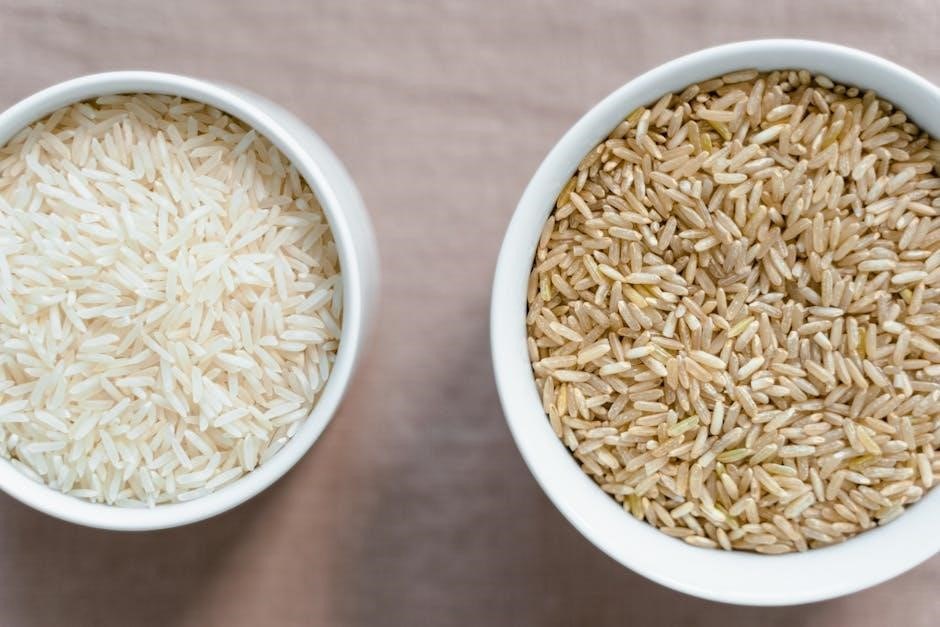
Generally, the standard water ratio works well for most long and medium-grain brown rice. However, for short-grain, increase the water by approximately 2 tablespoons per cup of rice. Experimentation is key to finding the perfect ratio for your preferred type and Aroma model.
Consider the age of the rice; older rice tends to be drier and may need a bit more water. Always check the package instructions as a starting point, then adjust based on your cooker and desired consistency.
Beyond Basic Brown Rice
Elevate your brown rice dishes! Explore exciting flavor combinations by adding seasonings, broths, or vegetables directly into the cooker for a complete, delicious meal.
Adding Flavorings to Brown Rice
Unleash a world of taste! Transforming basic brown rice into a culinary delight is surprisingly simple with your Aroma rice cooker. Experimenting with flavorings during the cooking process infuses the grains with deliciousness, eliminating the need for bland side dishes. Consider adding a teaspoon of your favorite herbs – rosemary, thyme, or oregano work wonderfully – directly into the cooker before adding the water and rice.
Spices like turmeric, cumin, or a pinch of cayenne pepper can introduce warmth and complexity. For a savory boost, a bay leaf added during cooking imparts a subtle, aromatic flavor. Don’t be afraid to incorporate a tablespoon of butter or a drizzle of olive oil for richness.
Finely chopped vegetables, such as carrots, celery, or onions, can also be added, though they may slightly alter the water ratio – consider adding an extra tablespoon of water for every ¼ cup of vegetables. Remember to adjust seasonings to your preference, and always start with smaller amounts, tasting and adding more as needed. The possibilities are truly endless!
Cooking Brown Rice with Broth
Elevate your brown rice with incredible flavor! Substituting water with broth – chicken, vegetable, or even beef – is a fantastic way to infuse your rice with depth and richness when using your Aroma rice cooker. This simple swap dramatically enhances the overall taste profile, creating a more satisfying and flavorful side dish.
When using broth, it’s crucial to adjust the liquid-to-rice ratio slightly. Begin by using a 1:1 ratio of broth to brown rice, and observe the results. You may find that reducing the broth by ¼ cup prevents the rice from becoming too soft. Always opt for low-sodium broth to control the saltiness of the final product.
Experiment with different broth varieties to complement your meal. Mushroom broth adds an earthy note, while chicken broth provides a classic savory flavor. Remember to account for any seasonings already present in the broth when adding additional spices or herbs.
Keeping Brown Rice Warm
Aroma rice cookers excel at keeping brown rice perfectly warm after the cooking cycle completes, a feature incredibly convenient for meal timing. The “Keep Warm” function maintains the rice at an optimal temperature, preventing it from drying out or becoming overly sticky for several hours.
However, prolonged warming can slightly alter the texture. While generally safe for up to 4-6 hours, the rice may gradually become drier. To mitigate this, occasionally fluff the rice with a fork during the warming period to redistribute moisture. Avoid leaving the rice on “Keep Warm” overnight, as this can compromise its quality.
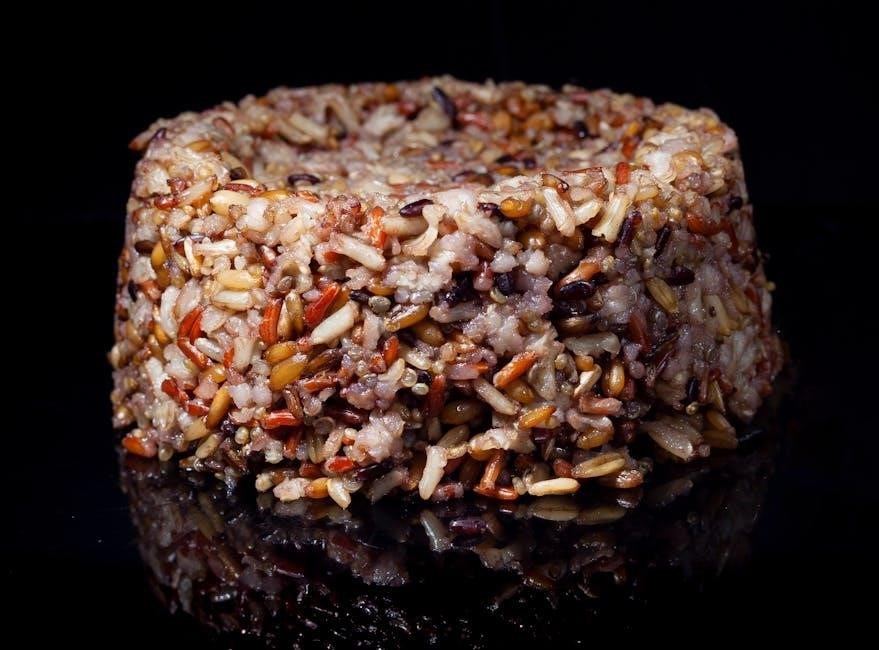
If you anticipate a longer delay before serving, consider adding a tablespoon of water to the rice before switching to the “Keep Warm” setting. This extra moisture helps maintain a softer texture. Always ensure the lid remains closed tightly to trap steam and preserve warmth.
Maintenance and Troubleshooting
Regular cleaning and understanding common issues ensure your Aroma cooker’s longevity. Addressing problems promptly maintains optimal performance for consistently perfect brown rice results.
Cleaning Your Aroma Rice Cooker
Maintaining a clean Aroma rice cooker is crucial for optimal performance and longevity. After each use, unplug the cooker and allow all components to cool completely before cleaning. The inner pot, typically non-stick, should be hand-washed with warm, soapy water. Avoid abrasive cleaners or scouring pads, as these can damage the coating.
The steam vent and lid are also prone to starch buildup and should be regularly cleaned. Remove the steam vent (refer to your model’s manual) and wash it thoroughly. Wipe down the lid with a damp cloth, paying attention to any crevices where starch may accumulate. The exterior of the cooker can be wiped clean with a damp cloth as well.
For deeper cleaning, occasionally disassemble any removable parts and wash them individually. Ensure all parts are completely dry before reassembling. Never immerse the cooker base in water, as this can cause electrical damage. Regular cleaning prevents odors and ensures consistently delicious brown rice.
Common Problems and Solutions
Encountering issues with your Aroma rice cooker during brown rice preparation is common, but often easily resolved. If the rice is undercooked, try adding a tablespoon or two of water during the last few minutes of the cooking cycle, then allow it to steam. Conversely, mushy rice indicates too much water – reduce the water ratio slightly in your next attempt.
If the cooker isn’t turning on, check the power cord and outlet. Ensure the cooker is properly assembled, as some models have safety features preventing operation if components aren’t correctly in place. A “burn” message often signifies starch buildup; thoroughly clean the inner pot and steam vent.
For uneven cooking, ensure the rice is evenly distributed in the pot. Avoid lifting the lid during the cooking process, as this releases steam and affects the cooking time. If problems persist, consult your Aroma cooker’s manual or the manufacturer’s website for specific troubleshooting guidance.
Extending the Life of Your Rice Cooker
Prolonging the lifespan of your Aroma rice cooker requires consistent, mindful care. Regular cleaning is paramount; always unplug the cooker and allow it to cool completely before washing the inner pot, steam vent, and exterior with mild soap and water. Avoid abrasive cleaners, which can damage the non-stick coating.
Proper storage is also crucial. When not in use, store the cooker in a dry, cool place. Avoid wrapping the power cord tightly, as this can cause damage. Periodically check the sealing ring for cracks or deterioration and replace it as needed to maintain a proper seal.
Handle the inner pot with care to prevent dents or warping. Avoid using metal utensils that could scratch the non-stick surface. By following these simple steps, you can ensure your Aroma rice cooker continues to deliver perfectly cooked brown rice for years to come.