Yoga’s core isn’t physical contortion, but a reconnection to an innate centre, offering benefits for all levels – explore beginner PDF guides today!
Discover a 70-minute beginner sequence, Ashtanga-based and modified, readily available as a downloadable PDF resource to start your journey.
Finding clarity about yoga for beginners is achievable; explore various styles and frequencies with helpful PDF resources to guide your practice.
What is Yoga?
Yoga, at its essence, transcends mere physical exercise; it’s a profound practice rooted in ancient Indian traditions, predating the modern emphasis on flexibility and challenging poses. Initially, yoga wasn’t about the body at all, but a pathway to inner peace and self-discovery.
Today, yoga encompasses a diverse range of styles, each offering unique benefits. For beginners, understanding this historical context is crucial. Many introductory PDF resources emphasize that yoga is accessible to everyone, regardless of fitness level or prior experience.
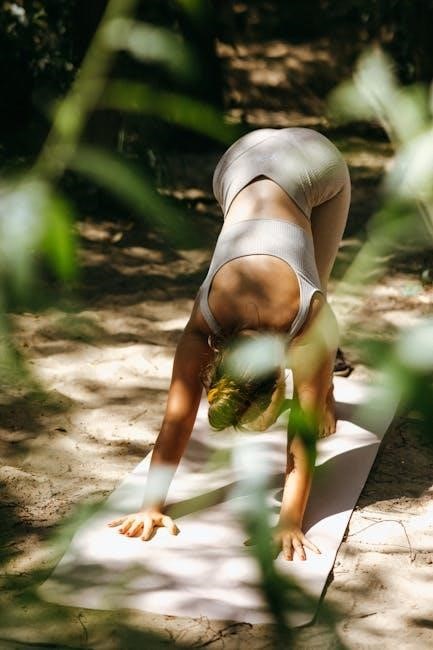
These PDF guides often highlight the eight limbs of yoga, outlining a holistic approach to well-being, encompassing ethical guidelines, physical postures (asanas), breathing techniques (pranayama), and meditation. Exploring these foundational elements through readily available PDFs can provide a solid understanding of yoga’s true nature.
Benefits of Yoga for Beginners
Yoga offers a wealth of benefits for those just starting their practice. Many beginners report feeling a renewed sense of centeredness and connection, as described by Arjanna Chitranjan. Introductory PDF guides often detail how yoga can reduce stress, improve flexibility, and enhance overall well-being.
Furthermore, yoga can positively impact both physical and mental health. PDF resources frequently emphasize its ability to improve posture, balance, and strength. International Yoga Day highlights these benefits, promoting awareness of yoga’s positive influence.
Whether you love or initially dislike yoga, exploring styles like Vinyasa, as suggested, can unlock its potential. Downloadable PDFs provide structured routines, making it easier to experience these advantages firsthand.
Debunking Yoga Myths
A common misconception is that yoga requires extreme flexibility or advanced poses like headstands. However, yoga’s origins weren’t focused on physical prowess, but on inner connection. Beginner PDF guides often emphasize this, promoting accessibility for all levels.
Many believe yoga is only for the ‘flexible’ – this is untrue! Introductory materials, including downloadable PDFs, demonstrate modifications for various abilities. The journey isn’t about achieving perfect poses, but mastering fundamentals, as Ashley Rideaux points out.
Don’t be intimidated by the intensity of styles like Bikram or Ashtanga. PDF resources offer gentler sequences, proving yoga can be adapted to suit individual needs and preferences.

Getting Started with Your Yoga Practice
Beginner PDF guides are invaluable tools! Explore resources, find a qualified instructor, and gather essential equipment to begin your rewarding yoga journey.
Essential Yoga Equipment
For beginners, starting with minimal equipment is perfectly acceptable, allowing you to focus on foundational poses and breathwork. A quality yoga mat is the most crucial investment, providing cushioning and grip. Many PDF resources emphasize the importance of a non-slip surface.
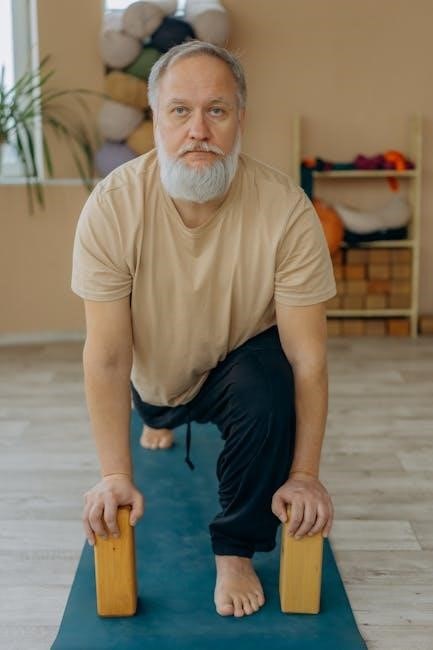
Beyond the mat, comfortable clothing that allows for a full range of motion is key. Blocks can be incredibly helpful for modifying poses and increasing accessibility, especially as you build strength and flexibility – downloadable beginner guides often suggest block usage.
Straps are another useful prop, aiding in reaching and deepening stretches. While not essential initially, these tools can enhance your practice as you progress. Remember to prioritize comfort and functionality over expensive brands when selecting your equipment.
Choosing the Right Yoga Style for Beginners
Navigating the diverse world of yoga styles can feel daunting for newcomers. PDF guides for beginners often recommend starting with Hatha yoga, known for its slower pace and focus on foundational poses. This allows ample time to learn proper alignment and breath control.
Vinyasa yoga, while popular, can be more challenging due to its dynamic flow. Restorative yoga offers a gentle, relaxing experience, ideal for stress relief and recovery. Consider your fitness level and personal preferences when making your choice.
Exploring different styles through introductory classes or online resources is beneficial. Many PDFs provide detailed descriptions of each style, helping you find the best fit for your needs and goals.
Finding a Qualified Yoga Instructor
A skilled instructor is invaluable, especially when starting your yoga journey. Look for teachers registered with Yoga Alliance, indicating they’ve completed a recognized training program. PDF resources for beginners often emphasize the importance of personalized guidance.
Seek instructors experienced in working with newcomers and those willing to offer modifications for different abilities. Observe a class before committing to ensure their teaching style resonates with you.
Don’t hesitate to ask about their qualifications and experience. A good instructor will prioritize safety, proper alignment, and mindful movement, fostering a supportive learning environment. Many PDFs offer checklists for evaluating potential teachers.
Basic Yoga Poses for Beginners (with PDF Resources)
Mastering fundamental poses is key, and downloadable PDF posture guides simplify learning! Begin with foundational asanas, building strength and flexibility safely.
Standing Poses
Standing poses form a crucial foundation in yoga, building strength, balance, and body awareness – perfect for beginners! These poses ground you, improving posture and cultivating a sense of stability.
Mountain Pose (Tadasana), seemingly simple, is the cornerstone, teaching proper alignment. Utilize PDF resources to visualize correct form, engaging muscles from feet to crown.
Tree Pose (Vrksasana) challenges balance and concentration. Downloadable PDF guides offer modifications for varying levels, ensuring a safe and effective practice. Focus on a fixed point to enhance stability.
These foundational poses, readily accessible through beginner-friendly PDFs, establish a solid base for exploring more complex asanas, promoting mindful movement and overall well-being.
Mountain Pose (Tadasana)
Mountain Pose (Tadasana), the foundational standing pose, might appear simple, but it’s profoundly impactful for beginners. It establishes proper alignment and cultivates a sense of groundedness, forming the basis for all other standing asanas.
PDF guides emphasize engaging muscles from your feet up through the crown of your head, lengthening the spine and broadening the chest. Pay attention to subtle adjustments – shoulders relaxed, core engaged.
Downloadable resources illustrate correct hand positioning and foot placement, ensuring optimal form. This pose builds awareness of your body in space, improving posture and balance.
Regular practice, guided by beginner-focused PDFs, strengthens your foundation and prepares you for more challenging poses, promoting stability and mindful presence.
Tree Pose (Vrksasana)
Tree Pose (Vrksasana), a classic balancing pose, is excellent for beginners seeking to improve focus and stability. PDF guides often highlight modifications for varying levels of flexibility and balance.
Begin by grounding through one foot, then gently place the sole of the other foot on your inner thigh or calf – avoid the knee joint. Press your palms together at your chest or extend them overhead.
Downloadable resources demonstrate proper alignment, emphasizing a straight spine and engaged core. Finding a fixed point to gaze at (drishti) aids concentration and balance.
Beginner PDFs suggest using a wall for support initially. This pose cultivates mindfulness, strengthens legs, and enhances proprioception – your body’s awareness in space.
Seated Poses
Seated poses are foundational in yoga, offering accessibility for beginners and promoting a calm, grounded energy. Many introductory PDF guides prioritize these postures for building a solid base.
These poses cultivate spinal flexibility, open the hips, and encourage mindful breathing. They’re often used as transitions between standing and forward bending sequences, as detailed in downloadable resources.
Beginner-friendly PDFs emphasize maintaining a straight spine and relaxed shoulders. Modifications, like using a blanket for hip elevation, are frequently illustrated for comfort and proper alignment.
Explore Easy Pose (Sukhasana) and Staff Pose (Dandasana) – both excellent starting points. These poses prepare the body and mind for deeper practices, as outlined in comprehensive yoga PDFs.
Easy Pose (Sukhasana)
Easy Pose (Sukhasana), a cornerstone of seated yoga, is frequently featured in beginner PDF guides due to its accessibility and calming benefits. It’s a foundational posture for meditation and breathwork.
PDF resources often demonstrate how to sit with a straight spine, gently tucking the pelvis forward to maintain natural curves. Beginners may use a blanket or cushion under the sit bones for added comfort.
The pose encourages lengthening through the spine and relaxing the shoulders, promoting a sense of groundedness. PDFs highlight the importance of keeping the knees relaxed and close to the floor.
Modifications are readily available in beginner yoga PDFs, catering to varying levels of flexibility. It’s a gentle introduction to seated postures, preparing the body for more challenging poses.
Staff Pose (Dandasana)
Staff Pose (Dandasana), often detailed in beginner yoga PDFs, is a seemingly simple yet profoundly beneficial posture. It establishes a strong foundation for seated yoga and cultivates core engagement.
PDF resources emphasize sitting with legs extended forward, spine straight, and shoulders relaxed. Hands are placed beside the hips, grounding the sit bones and promoting proper alignment.
Beginners may find it challenging to maintain a straight spine; PDFs suggest a slight forward tilt of the pelvis if needed, prioritizing spinal integrity over leg extension.
The pose strengthens the back muscles and improves posture. PDF guides often include modifications, like bending the knees, for those with tight hamstrings, ensuring accessibility.
Forward Bends
Forward bends are foundational in yoga, frequently detailed in beginner PDFs, promoting flexibility and calming the nervous system. These poses gently stretch the hamstrings, spine, and hips.
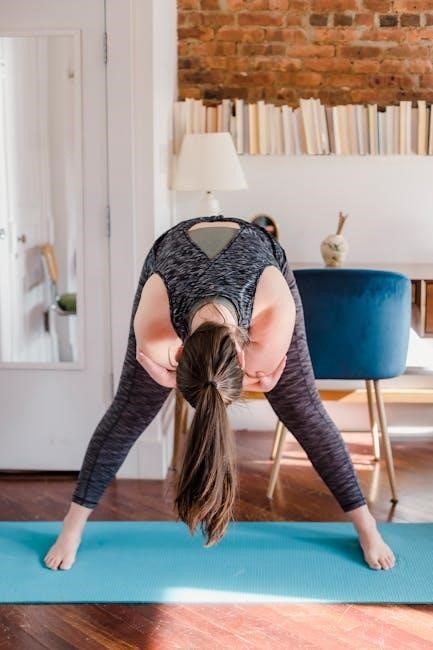
PDF resources often begin with Standing Forward Bend (Uttanasana), emphasizing a flat back initially, bending from the hips, and allowing the head to relax. Modifications, like bent knees, are crucial for beginners.
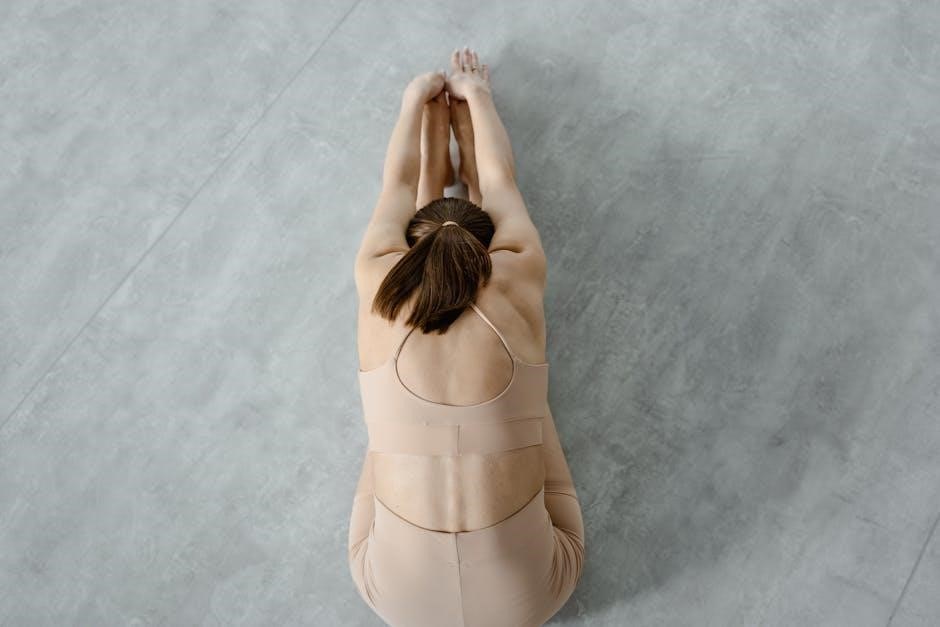
Seated Forward Bend (Paschimottanasana), also covered in PDFs, requires maintaining a straight spine as you fold forward, reaching towards the feet; Again, bending knees is encouraged.
These poses aren’t about touching your toes; PDF guides stress listening to your body and prioritizing a comfortable stretch over achieving a specific form. Breathe deeply throughout!
Standing Forward Bend (Uttanasana)
Standing Forward Bend (Uttanasana), a staple in beginner yoga PDFs, is a deceptively simple pose with profound benefits. It stretches the hamstrings, calves, and hips, while calming the brain and relieving stress.
PDF guides emphasize initiating the bend from the hips, maintaining a flat back as much as possible, and allowing the head to hang heavy. Beginners are strongly advised to keep a generous bend in their knees.
Avoid forcing the chest towards the thighs; focus on lengthening the spine. Hands can rest on the floor, shins, or ankles – use blocks if needed, as detailed in PDF instructions.
Breathe deeply and evenly throughout the pose, releasing tension with each exhale. This pose isn’t about touching your toes, but about a comfortable stretch.
Seated Forward Bend (Paschimottanasana)
Seated Forward Bend (Paschimottanasana), frequently detailed in yoga for beginners PDFs, is a powerful pose for calming the mind and stretching the entire posterior chain. It targets the spine, hamstrings, and shoulders.
PDF resources consistently advise sitting with legs extended forward, spine straight, and feet flexed. The key is to initiate the forward bend from the hips, not by rounding the back.
Beginners should prioritize maintaining a straight spine over reaching for their toes. A slight bend in the knees is perfectly acceptable and encouraged for proper alignment.
Use a strap looped around the feet if reaching is challenging, as illustrated in many PDF guides. Breathe deeply, and allow gravity to assist the stretch, releasing tension with each exhale.
Backbends
Backbends are invigorating poses often included in yoga for beginners PDFs, promoting spinal flexibility and energy. However, proper form is crucial to avoid injury, and PDFs emphasize gradual progression.
Cobra Pose (Bhujangasana) and Locust Pose (Salabhasana) are excellent starting points. PDF guides detail keeping elbows slightly bent in Cobra, lifting the chest while engaging the back muscles.
Locust Pose, also detailed in PDFs, involves lifting arms and legs simultaneously, strengthening the back. Beginners should focus on lifting only as high as comfortable.
Remember to warm up thoroughly before attempting backbends, and listen to your body. PDF resources often suggest counterposes like Child’s Pose to balance the spine.
Cobra Pose (Bhujangasana)
Cobra Pose (Bhujangasana), frequently detailed in yoga for beginners PDFs, is a gentle backbend that strengthens the spine and opens the chest. PDF guides emphasize starting from a prone position with hands under shoulders.
Pressing into hands, lift the chest off the floor, keeping elbows slightly bent and close to the body. PDFs often illustrate maintaining relaxed shoulders and a long neck, avoiding strain.
Beginners should start with a low cobra, lifting only a few inches, gradually increasing height as strength improves. PDF resources highlight engaging back muscles for support.
Breathing deeply is crucial; inhale as you lift, exhale to release tension. PDFs often suggest counterposes like Child’s Pose to gently release the spine afterward.
Locust Pose (Salabhasana)
Locust Pose (Salabhasana), commonly found in yoga for beginners PDFs, is a strengthening backbend that targets the entire posterior chain. PDF guides typically instruct lying prone with arms alongside the body.
Inhaling deeply, lift the head, chest, arms, and legs simultaneously off the floor, engaging back muscles. PDFs often emphasize keeping the gaze forward and shoulders relaxed.
Beginners may find it helpful to start by lifting only the arms or legs, gradually building strength to lift the entire body. PDF resources highlight maintaining a neutral spine.
Hold for a few breaths, then exhale and slowly lower back down. PDFs often recommend counterposes like Child’s Pose to release tension in the lower back.
Twists
Twists in yoga, detailed in many yoga for beginners PDFs, are excellent for spinal mobility and detoxification. These poses gently compress and release abdominal organs, aiding digestion.
PDF guides often begin with seated twists, like Seated Spinal Twist (Ardha Matsyendrasana), emphasizing a straight spine and gentle rotation from the waist.
Beginners should focus on maintaining a comfortable range of motion, avoiding forcing the twist. PDFs frequently advise keeping shoulders relaxed and breathing deeply throughout the pose.
Twists can also be incorporated into standing poses, offering a more dynamic stretch. PDF resources highlight the importance of proper alignment to prevent strain.
Seated Spinal Twist (Ardha Matsyendrasana)
Seated Spinal Twist (Ardha Matsyendrasana), frequently illustrated in yoga for beginners PDFs, is a foundational pose for improving spinal mobility and stimulating digestion. PDF guides emphasize maintaining a straight spine as the foundation.
Begin by sitting with legs extended, then bend one knee, placing the foot outside the opposite thigh. Twist towards the bent knee, using the opposite arm for leverage.
PDFs often advise beginners to focus on the rotation coming from the waist, keeping shoulders relaxed and avoiding forcing the twist. Deep, conscious breathing is crucial.
Modifications, detailed in PDFs, include keeping the bottom leg extended or using a block under the hand for support. This pose gently detoxifies and energizes.
Restorative Poses
Restorative poses, frequently detailed in yoga for beginners PDFs, are crucial for calming the nervous system and promoting deep relaxation. These poses require minimal effort, allowing the body to fully surrender.
Child’s Pose (Balasana) and Corpse Pose (Savasana) are staples, often accompanied by PDF-provided modifications using blankets and bolsters for enhanced comfort.
PDF guides emphasize holding these poses for extended periods – five to ten minutes or longer – focusing on slow, deep breathing to release tension.
Restorative practice isn’t about achieving a “perfect” pose, but about finding stillness and allowing the body to heal and rejuvenate, as highlighted in many beginner PDFs.
Child’s Pose (Balasana)
Child’s Pose (Balasana), a cornerstone of restorative yoga, is frequently illustrated in yoga for beginners PDFs as a gentle, grounding posture. It’s accessible to all levels, requiring no prior flexibility.
PDF guides detail variations: knees together or apart, arms extended forward or resting alongside the body, and forehead gently resting on the mat or a block.
This pose gently stretches the hips, thighs, and ankles while calming the brain and relieving stress. Many PDFs suggest using a bolster under the torso for deeper relaxation.
Focus on deep, diaphragmatic breathing, allowing the abdomen to expand with each inhale, as emphasized in instructional PDFs, to maximize the calming benefits of Balasana.
Corpse Pose (Savasana)
Corpse Pose (Savasana), often the final posture in a yoga sequence, is prominently featured in yoga for beginners PDFs as a crucial integration step. It’s deceptively powerful, allowing the body to fully absorb the practice’s benefits.
PDF guides emphasize lying flat on your back, arms relaxed by your sides, palms facing up, and legs slightly apart. The focus is on complete stillness and surrender.
Many PDFs recommend using a blanket under the head or a bolster under the knees for added comfort, promoting deeper relaxation and releasing tension.
Cultivate mindful awareness of your breath, allowing it to become natural and effortless, as detailed in instructional PDFs, to fully experience Savasana’s restorative power.
Yoga and Breathing (Pranayama)
Pranayama, vital in yoga, is often introduced in beginner PDFs, focusing on breath control to enhance practice and cultivate inner peace.
Explore PDF resources detailing techniques like Ujjayi breath, promoting focus and calming the nervous system for a deeper yoga experience.
Pranayama, often translated as “breath control,” is an integral component of yoga practice, extending far beyond simply inhaling and exhaling. Many beginner yoga PDF resources dedicate sections to understanding this powerful discipline, emphasizing its role in calming the nervous system and enhancing overall well-being.
It’s a practice that predates many physical asanas (poses), originally forming the core of yoga before the emphasis shifted towards the physical aspects. PDF guides frequently explain how conscious breathing techniques can unlock energy, improve focus, and prepare the body and mind for deeper meditative states.
For beginners, Pranayama isn’t about forcing the breath, but rather observing and gently guiding it. Downloadable PDFs often provide step-by-step instructions and modifications, making these techniques accessible to all levels, fostering a deeper connection between breath and movement.
Ujjayi Breath (Victorious Breath)
Ujjayi Breath, also known as “Victorious Breath,” is a foundational Pranayama technique frequently detailed in beginner yoga PDFs. It involves a slight constriction in the back of the throat, creating a soft, oceanic sound with each inhale and exhale – similar to the sound of waves.
PDF resources often describe how to practice this breath by gently mimicking the sound of “haaa,” as if fogging up a mirror, while keeping the mouth closed. This creates a subtle warmth and helps to regulate the flow of prana (life force energy).
Ujjayi breath is incredibly versatile, used throughout yoga practice to build heat, enhance focus, and promote a sense of calm. Many beginner PDFs recommend incorporating it into asanas and meditation, offering detailed instructions and modifications for optimal practice.

Creating a Beginner’s Yoga Routine (PDF Guide)
PDF guides offer structured yoga sequences for beginners, like a 70-minute Ashtanga-based class, simplifying practice and fostering consistent progress.
Sample 70-Minute Beginner Yoga Sequence
Beginner yoga PDF guides frequently include a 70-minute sequence, often inspired by Ashtanga but thoughtfully modified for accessibility. This structure typically begins with centering and breathwork – around 5 minutes – to cultivate presence.
Next, a warm-up (10 minutes) prepares the body with gentle movements like cat-cow and wrist rotations. Sun Salutations (15 minutes) build heat and flow, followed by a series of standing poses (20 minutes) – Mountain, Tree, and Warrior variations.
Seated poses (10 minutes) like Easy Pose and seated forward bends increase flexibility, culminating in restorative poses – Child’s Pose and Savasana (10 minutes) – for deep relaxation and integration. These PDF resources provide detailed instructions and modifications.

Advanced Yoga Styles (Brief Overview)
PDF resources for beginners often briefly mention Vinyasa, Ashtanga, and Bikram Yoga, highlighting their intensity and serving as goals for future practice!
Vinyasa Yoga
Vinyasa Yoga, often called “flow yoga,” links breath to movement, creating a dynamic and invigorating practice. While potentially intimidating for absolute beginners, introductory PDF guides often present modified sequences to ease into this style.
The intensity can vary greatly; some classes are gentle, while others are powerfully athletic – sometimes termed “Hot Power Yoga” or “Hot Vinyasa Yoga.” PDF resources will help you understand the common poses and transitions.
If you typically dislike yoga, Vinyasa might change your mind! It’s a great option for those seeking a workout alongside mindfulness. Look for beginner-friendly Vinyasa classes and utilize PDF pose breakdowns for proper alignment.
Ashtanga Yoga
Ashtanga Yoga is a physically demanding, sequenced practice, traditionally following a fixed series of poses. While not typically the first style recommended for complete beginners, modified Ashtanga-based sequences are available in PDF format.
These PDF guides often simplify the traditional method, offering a gentler introduction to the core principles. Expect a focus on breath (Ujjayi breath) and bandhas (internal energy locks).
A 70-minute beginner class, specifically Ashtanga-based and modified, is available as a downloadable PDF, providing a structured starting point. Be prepared for a challenging, yet rewarding, practice that builds strength and stamina.
Bikram/Hot Yoga
Bikram Yoga, a specific series of 26 postures and two breathing exercises, is practiced in a heated room. Often referred to as “Hot Yoga,” it’s known for intense sweating and increased flexibility. While invigorating, it’s generally not the ideal starting point for beginners.
However, introductory PDF resources can help understand the principles before attempting a class. Look for guides detailing proper hydration and heat acclimatization.
Power Yoga or Hot Vinyasa, similar but less rigidly structured, may offer modified sequences suitable for newcomers, sometimes available as downloadable PDFs. Remember to listen to your body and prioritize safety.
Resources for Further Learning
Explore online platforms and recommended yoga books, including downloadable PDF guides, to deepen your practice and understanding as a beginner!
Online Yoga Platforms
Numerous online platforms cater specifically to beginners seeking accessible yoga instruction, often offering downloadable PDF resources to complement video lessons. These platforms provide structured programs, allowing you to progress at your own pace and build a solid foundation. Many feature introductory courses designed to demystify fundamental poses and breathing techniques.
Look for platforms that offer modifications for different levels of flexibility and experience. Some platforms also provide downloadable PDF pose guides, detailing proper alignment and common mistakes to avoid. Consider exploring options with free trials to determine which platform best suits your learning style and preferences. Remember to prioritize platforms with qualified and experienced instructors who emphasize safety and mindful movement;
These digital resources can be invaluable for supplementing in-person classes or for those who prefer the convenience of practicing at home, utilizing PDFs for reference.

Recommended Yoga Books and PDFs
For beginners, a wealth of yoga books and downloadable PDF guides exist to deepen understanding and enhance practice. Seek resources that clearly illustrate foundational poses with detailed instructions and modifications. Many PDFs offer pose sequences specifically designed for introductory levels, promoting safe alignment and mindful movement.
Consider books that explore the philosophical underpinnings of yoga, providing context beyond the physical postures. Look for PDFs offering breathing exercises (pranayama) and meditation techniques to complement your asana practice. Prioritize resources created by certified yoga instructors or experienced practitioners.
These materials serve as valuable companions, offering accessible knowledge and supporting a consistent, informed yoga journey, especially with readily available PDF pose guides.